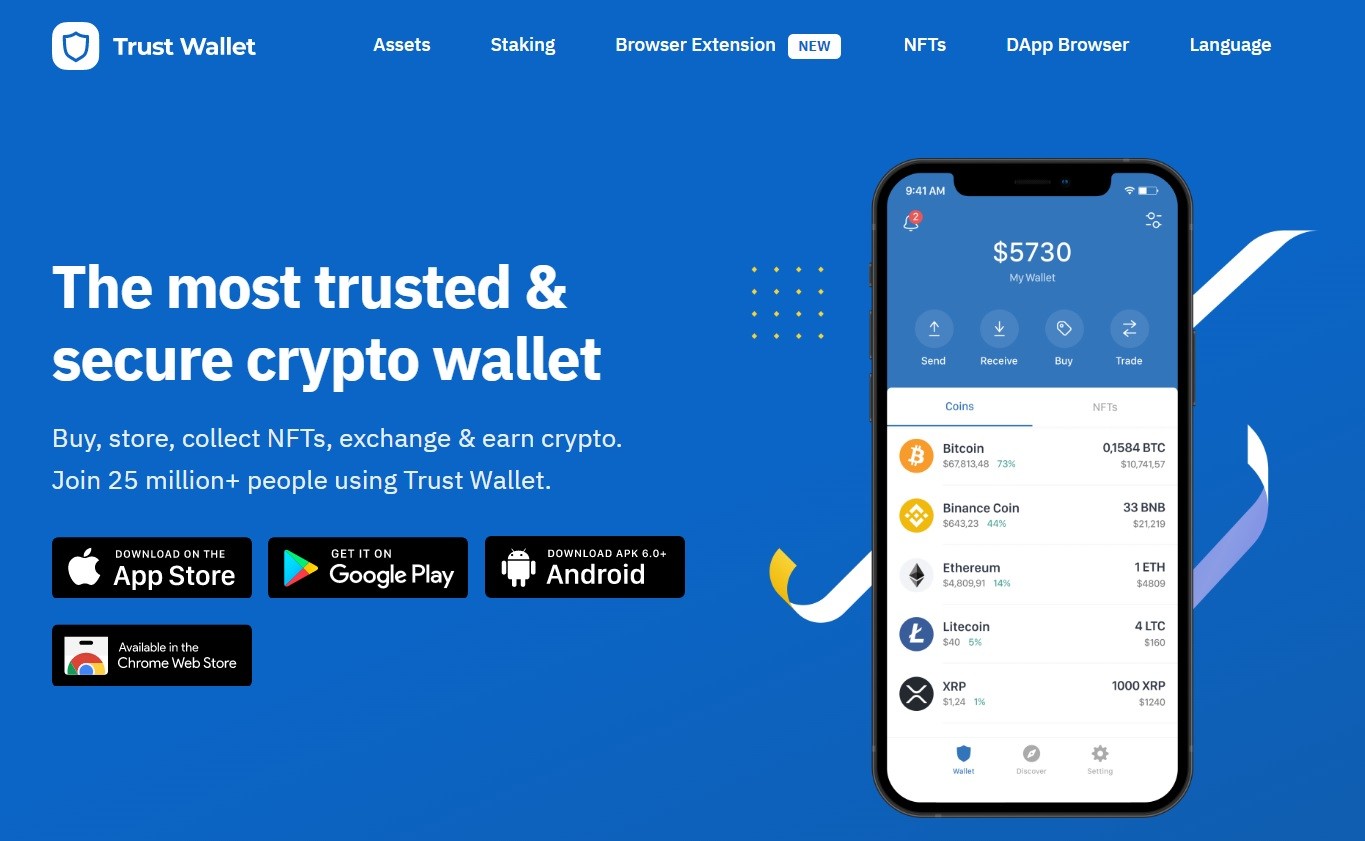
Trust Wallet – Your Gateway to Secure and Decentralized Crypto Management
Trust Wallet is one of the most widely used non-custodial cryptocurrency wallets, offering individuals complete control over their digital assets without relying on a centralized authority. Designed with simplicity, mobility, and security in mind, Trust Wallet empowers users to store, send, receive, trade, and interact with decentralized applications (dApps) directly from their mobile devices. With support for millions of digital assets and thousands of blockchain networks, Trust Wallet has become a go-to solution for crypto newcomers and experienced enthusiasts who value decentralization and accessibility.
This comprehensive guide explores everything you need to know about Trust Wallet—how it works, its key features, tips for using it securely, and best practices for long-term asset management. Whether you're discovering crypto for the first time or expanding an existing portfolio, understanding Trust Wallet can help you manage your digital wealth with confidence.
1. What Is Trust Wallet?
Trust Wallet is a decentralized, non-custodial mobile cryptocurrency wallet. Unlike centralized exchanges that hold private keys on behalf of users, Trust Wallet ensures that only the wallet owner controls their private keys and recovery phrase. This means users retain complete ownership of their coins and tokens at all times.
Key highlights of Trust Wallet include:
Non-custodial ownership – You control your private keys and recovery phrase.
Wide blockchain compatibility – Supports Bitcoin, Ethereum, Binance Smart Chain, Solana, Polygon, and many other networks.
Built-in DApp browser – Access decentralized applications easily.
Multi-token support – Manage millions of tokens across integrated blockchains.
User-friendly design – Perfect for both beginners and advanced crypto users.
Trust Wallet simplifies crypto management without compromising user autonomy.
2. Getting Started With Trust Wallet
Trust Wallet is available as a mobile app for iOS and Android. Installation is simple, and because the wallet is decentralized, no personal information, email, or identity verification is required.
Steps to begin:
Download the official app from the Apple App Store or Google Play Store.
Open the application and select “Create New Wallet.”
Securely write down your recovery phrase—12 words that serve as the master key to your wallet.
Confirm the phrase to complete setup.
Add your preferred cryptocurrencies or buy crypto using integrated purchasing options.
After setup, you can immediately begin receiving, storing, and managing digital assets.
3. The Importance of the Recovery Phrase
The most crucial component of Trust Wallet—much like all non-custodial wallets—is the recovery phrase. This 12-word seed grants full access to your wallet and funds. There is no password reset or customer support recovery option because the wallet is decentralized.
Best practices for recovery phrase security:
Write it down on paper and store it offline.
Never take screenshots or save it on cloud storage.
Never share it with anyone.
Consider using multiple secure vaults or fireproof storage.
Treat it like a physical key to your entire crypto portfolio.
If the recovery phrase is lost, the wallet—and its funds—cannot be restored. If the phrase is stolen, your funds may be accessed by unauthorized parties.
4. Managing Cryptocurrency Assets
Trust Wallet supports millions of assets, including:
Major cryptocurrencies like BTC, ETH, BNB, and SOL.
ERC-20, BEP-2, BEP-20, SPL, and other token standards.
NFTs across Ethereum, BNB Smart Chain, Polygon, and more.
Managing assets includes:
Viewing balances in real time
Adding custom tokens
Sending and receiving cryptocurrencies
Tracking portfolio value
Accessing transaction histories
With a clean and intuitive user interface, Trust Wallet makes it easy for users to navigate across different networks and tokens without needing specialized technical knowledge.
5. Sending and Receiving Crypto
Trust Wallet ensures that sending and receiving crypto is simple and efficient.
Receiving crypto:
Select the asset you want to receive.
Tap Receive to display your wallet address.
Scan the QR code or copy the address.
Share it only with trusted parties.
Sending crypto:
Choose the asset you want to send.
Tap Send and enter the recipient’s address.
Specify the amount.
Adjust network fees if applicable.
Confirm the transaction.
Each transaction is recorded on its respective blockchain, providing transparency and immutability.
6. Using Trust Wallet for NFTs
Trust Wallet includes native support for NFT collections from major blockchain networks. Users can:
Store NFTs
View images and metadata
Send NFTs to other addresses
Connect to NFT marketplaces through supported dApps
NFT collectors benefit from the wallet’s decentralized nature, ensuring full control over their digital art and assets.
7. Exploring Decentralized Applications (dApps)
One of Trust Wallet’s powerful features is its built-in dApp browser, which allows users to interact with decentralized platforms directly. Through the dApp browser, users can:
Trade crypto on decentralized exchanges (DEXs)
Participate in liquidity pools
Access DeFi platforms for staking, lending, and earning yields
Buy, sell, and trade NFTs
Play blockchain-based games
Engage with Web3 tools and services
Trust Wallet does not store your data or interfere with your transactions. Instead, it acts as your decentralized gateway to Web3.
8. Buying Cryptocurrency Through Trust Wallet
Trust Wallet integrates with third-party providers that allow users to purchase crypto directly with credit cards, debit cards, bank transfers, or other local payment methods. While these services vary by region, they offer convenient on-ramps for beginners.
Purchases typically involve:
Selecting the crypto asset you wish to buy
Choosing a payment provider
Entering purchase details
Completing the transaction through a secure third-party checkout
Funds are deposited directly into your Trust Wallet once processed.
9. Staking and Earning Rewards
Trust Wallet supports staking for several popular cryptocurrencies, enabling users to earn passive rewards.
Supported staking assets commonly include:
BNB
ATOM
SOL
KAVA
Tezos and others
Benefits of staking:
Earn additional tokens as rewards
Contribute to the security of blockchain networks
Maintain full control of staked assets
Staking through Trust Wallet is simple and requires just a few taps.
10. Swapping and Exchanging Crypto
Trust Wallet offers built-in crypto swap and exchange features using decentralized protocols. This allows users to convert tokens directly without relying on centralized exchanges.
Advantages of swapping:
No account needed
Tokens remain under user control
Fast and secure transaction execution
Access to deep liquidity pools
Swaps are available across multiple networks, and network fees will vary depending on blockchain activity.
11. Security Best Practices for Trust Wallet
While Trust Wallet offers secure technology, users must take responsibility for safeguarding their assets.
Top security tips:
Store your recovery phrase offline and privately.
Use strong device passwords and enable biometric authentication.
Never enter your seed phrase into websites or apps.
Avoid phishing links and always double-check URLs.
Keep your phone’s operating system updated.
Back up your wallet in more than one secure location.
Beware of impersonators claiming to be Trust Wallet support.
Following these guidelines helps ensure long-term protection of your digital assets.
12. Troubleshooting Common Issues
Users may encounter occasional challenges, such as:
Missing token balances
Network errors
Failed transactions
Unsupported assets
DApp browser access limitations
Most issues can be resolved by:
Refreshing the wallet
Adding tokens manually
Adjusting network settings
Checking blockchain explorers for transaction status
Ensuring network fees are set appropriately
As a decentralized wallet, Trust Wallet does not have direct access to user funds but provides extensive support documentation to help with troubleshooting.
13. Advantages of Using Trust Wallet
Trust Wallet stands out in the crypto ecosystem for multiple reasons:
Complete control over assets
No account, KYC, or personal information required
Supports a vast range of blockchains and tokens
Mobile-first design for convenience
Access to decentralized applications
Open-source components for transparency
Built-in staking, swapping, and purchasing tools
These features make Trust Wallet a powerful, all-in-one crypto management solution.
14. Who Is Trust Wallet Best Suited For?
Trust Wallet is ideal for:
Beginners who want an easy and safe mobile wallet
Advanced users engaging with DeFi, NFTs, and Web3
Investors holding a diverse portfolio of tokens
Anyone prioritizing decentralization and self-custody
The wallet’s flexibility makes it suitable for nearly every type of crypto user.
15. Getting Started Today
With Trust Wallet, you can easily begin your journey into the world of decentralized finance.
To get started:
Download the official app.
Create your wallet and secure your recovery phrase.
Add your favorite cryptocurrencies.
Explore staking, swaps, dApps, and NFTs.
Practice strong security habits.
Once set up, Trust Wallet provides a secure and convenient way to manage your digital assets anytime, anywhere.